
The Role of Automation in Lace Production

Automation is transforming many manufacturing sectors, and lace production is no exception. As someone deeply involved in this field, I’ve seen firsthand how automation can revolutionize the way lace is made. It’s not just about speeding up processes; it’s about improving quality, reducing waste, and opening new possibilities for design and customization.
In this post, I’ll walk you through the key ways automation is reshaping lace production. I’ll share practical insights and examples that show how manufacturers can benefit from embracing these technologies. Whether you’re considering automation for the first time or looking to optimize your current setup, this guide will help you understand the real-world impact of automation in this specialized industry.
How Automation Enhances Lace Production
Automation in lace production means using machines and software to perform tasks that were once done by hand. This shift brings several advantages:
Increased speed and efficiency: Automated machines can produce lace much faster than manual methods. This means higher output without sacrificing quality.
Consistent quality: Machines follow precise patterns and controls, reducing errors and ensuring every piece of lace meets the same high standard.
Reduced labor costs: Automation lowers the need for manual labor, which can help manufacturers save money and allocate resources more effectively.
Greater design flexibility: Advanced automation systems can handle complex patterns and intricate designs that would be difficult or impossible to create by hand.
For example, modern embroidery machines equipped with computer-controlled needles can produce delicate lace patterns with incredible precision. These machines can switch between designs quickly, allowing manufacturers to offer a wider variety of products without long setup times.

Key Technologies Driving Automation in Lace Production
Several technologies are at the heart of automation in lace production. Understanding these can help manufacturers choose the right solutions for their needs.
Computer-Aided Design (CAD) Software
CAD software allows designers to create detailed lace patterns digitally. These designs can then be fed directly into automated machines, eliminating the need for manual pattern transfers. This not only speeds up the design process but also reduces errors.
Computerized Embroidery Machines
These machines use digital files to control needle movements, thread tension, and stitching speed. They can produce complex lace designs with high accuracy and repeatability. Some machines also include sensors to detect thread breaks or fabric issues, minimizing downtime.
Robotics and Material Handling
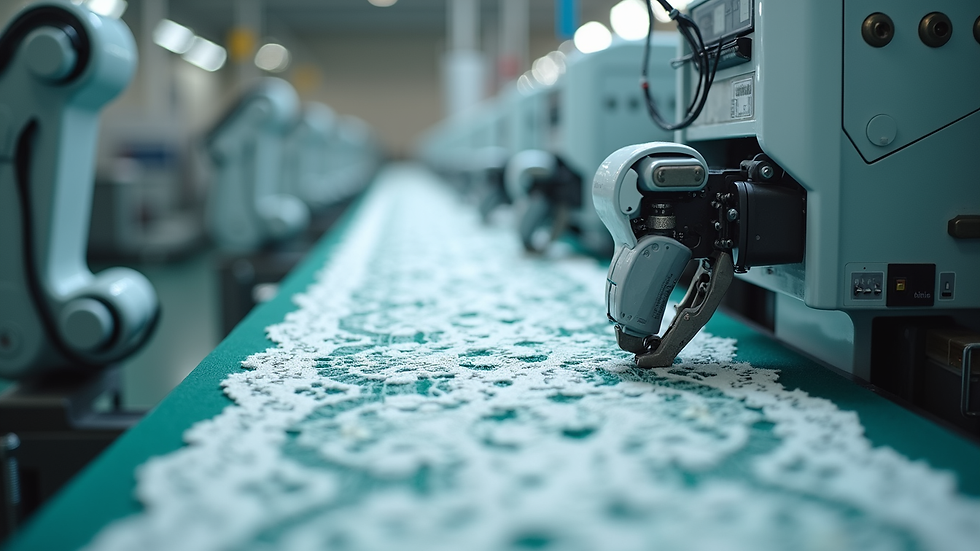
Robotic arms and automated conveyors can handle delicate lace fabrics during production, reducing the risk of damage. These systems can also assist in packaging and quality inspection, further streamlining the production line.
Quality Control Systems
Automated vision systems can inspect lace for defects such as holes, uneven stitching, or color inconsistencies. These systems provide real-time feedback, allowing manufacturers to catch and correct issues early.
Practical Benefits of Automation for Manufacturers
Implementing automation in lace production offers tangible benefits that go beyond just faster output. Here are some practical advantages:
Lower waste and material savings: Automated machines optimize thread usage and reduce fabric waste by cutting patterns precisely.
Improved workplace safety: Automation reduces the need for repetitive manual tasks, lowering the risk of injuries.
Scalability: Manufacturers can easily scale production up or down by adjusting machine settings or adding more units.
Faster turnaround times: Automation shortens production cycles, helping manufacturers meet tight deadlines and respond quickly to market demands.
For instance, a manufacturer using automated lace machines reported a 30% reduction in material waste and a 25% increase in production speed within the first six months of implementation. These improvements translated directly into higher profits and better customer satisfaction.
Overcoming Challenges in Automation Adoption
While automation offers many benefits, it also comes with challenges that manufacturers need to address:
Initial investment costs: Automated equipment can be expensive upfront. However, the long-term savings and efficiency gains often justify the investment.
Training and skill development: Staff need training to operate and maintain automated systems effectively. Investing in workforce development is crucial.
Integration with existing processes: Automation should complement, not disrupt, current workflows. Careful planning and phased implementation help ensure a smooth transition.
Maintenance and technical support: Automated machines require regular maintenance and access to technical support to minimize downtime.
To overcome these challenges, manufacturers should work with trusted partners who understand their specific needs. For example, lace industries offers custom automation solutions designed to boost efficiency and reliability. Partnering with experts can help manufacturers tailor automation to their unique production environment.
Looking Ahead: The Future of Automation in Lace Production
The future of lace production is bright, with automation playing a central role. Emerging technologies like artificial intelligence and machine learning promise even greater advances. These tools can analyze production data to optimize machine settings, predict maintenance needs, and improve quality control.
Additionally, automation will enable more personalized lace products. Manufacturers will be able to offer custom designs on demand, meeting the growing consumer desire for unique and tailored items.
To stay competitive, manufacturers should keep an eye on these trends and be ready to adopt new technologies as they become available. Investing in automation today sets the stage for long-term growth and innovation.
Embracing Automation for Sustainable Growth
Automation is not just a tool for increasing production; it’s a strategic asset that can transform lace manufacturing. By improving efficiency, quality, and flexibility, automation helps manufacturers meet the demands of a dynamic market.
If you’re considering automation, start by assessing your current processes and identifying areas where machines can add the most value. Collaborate with experienced partners to design solutions that fit your goals and budget.
Ultimately, automation empowers manufacturers to deliver better products faster and more reliably. It’s a key driver for sustainable growth in the lace production industry and beyond.


Comments